
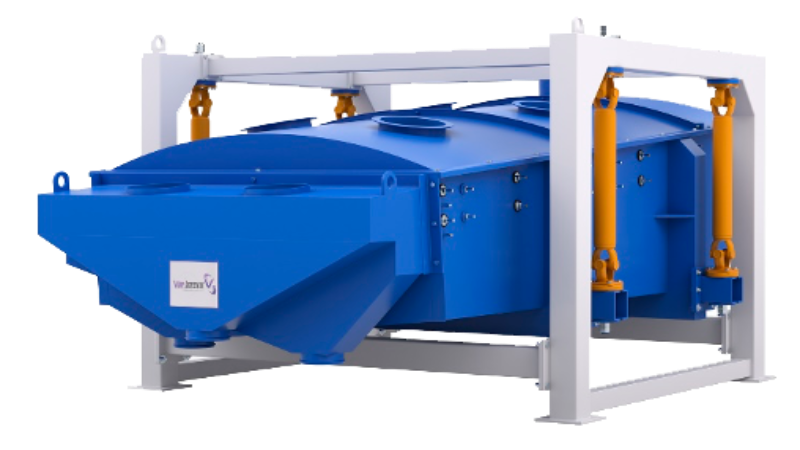
In today’s competitive manufacturing landscape, maintaining impeccable product quality is essential. Companies across diverse industries—from food processing to pharmaceuticals—are under increasing pressure to meet stringent regulations, satisfy customer expectations, and optimize production efficiency. One of the most effective solutions for achieving superior product quality and consistency is the use of an Industrial Sieve, a critical piece of equipment designed to uphold efficient US manufacturing standards.
The Importance of Sifting in Modern Manufacturing
Sifting plays a pivotal role in ensuring that raw materials and finished products are free from contaminants, oversized particles, and inconsistencies. Whether processing powders, granules, or liquids, manufacturers rely on precise separation and classification to guarantee that only materials meeting exact specifications move forward in the production line. By removing unwanted elements early in the process, manufacturers can reduce waste, prevent equipment damage, and deliver products that consistently meet or exceed quality benchmarks.
Key Benefits of Industrial Sieves
Industrial sieves are engineered to address the unique challenges faced by American manufacturers. Their robust design and advanced features offer several significant advantages:
• Enhanced Product Purity: By filtering out foreign materials and oversized particles, sieves help maintain high standards of cleanliness and quality.
• Increased Efficiency: Automated sifting processes reduce manual labor, minimize downtime, and streamline overall production workflows.
• Compliance with US Standards: Modern sieves are designed to meet or exceed the rigorous requirements set forth by US regulatory agencies, ensuring safety and reliability.
• Versatility: Suitable for a wide range of materials and industries, sieves can be customized to fit specific production needs.
Design Features Aligning with US Manufacturing Standards
Manufacturers in the United States must adhere to strict standards, including those set by organizations such as the FDA, USDA, and OSHA. Industrial sieves designed for the American market incorporate features that support these requirements, such as:
• Sanitary Construction: Made from high-quality, food-grade stainless steel, these sieves are easy to clean and resist corrosion.
• Customizable Mesh Sizes: Interchangeable screens allow for precise control over particle size separation.
• Efficient Vibration Mechanisms: Advanced vibration technology ensures even distribution and rapid throughput, minimizing bottlenecks.
• User-Friendly Controls: Intuitive interfaces and safety features make operation straightforward while reducing the risk of human error.
Actionable Steps for Implementing an Industrial Sieve
To fully leverage the benefits of an industrial sieve, manufacturers should:
1. Assess Material Specifications: Understand the properties of raw materials and the desired end-product quality.
2. Select Appropriate Sieve Type: Choose a sieve model and mesh size that aligns with production demands and regulatory requirements.
3. Integrate Seamlessly: Ensure the sieve is compatible with existing equipment and workflow.
4. Train Staff: Provide comprehensive training to staff on proper operation, cleaning, and maintenance.
5. Schedule Regular Maintenance: Implement a maintenance routine to maximize equipment lifespan and prevent unexpected downtime.
Elevating Product Quality and Operational Efficiency
Utilizing equipment tailored to efficient US manufacturing standards is a strategic investment in both product quality and operational excellence. By integrating advanced sifting technology, facilities can achieve higher throughput, reduce waste, and consistently deliver products that meet the most demanding standards. In a market where quality and efficiency are paramount, adopting the right sifting solutions is key to staying ahead of the competition and building a reputation for reliability and excellence.