
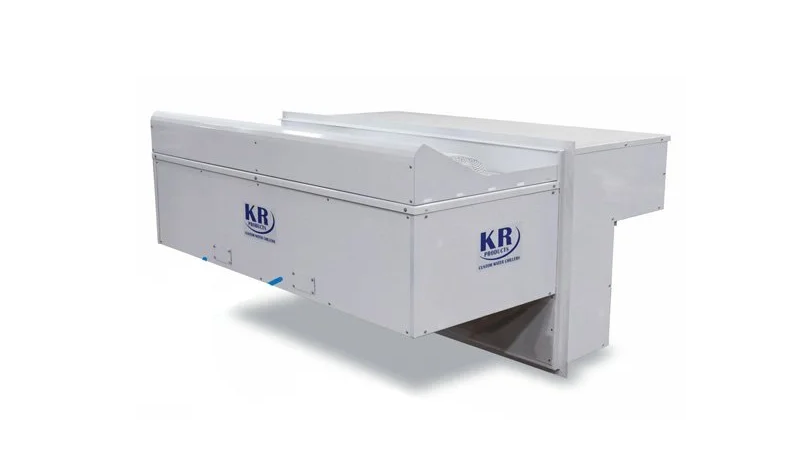
In modern American hospitals, diagnostic imaging is a cornerstone of patient care, enabling physicians to detect and treat a wide array of health conditions with precision. Among the most advanced imaging technologies, Magnetic Resonance Imaging (MRI) stands out for its ability to produce highly detailed images of internal organs, tissues, and structures. However, the effectiveness of MRI equipment relies on stable operating conditions that prevent overheating and ensure optimal performance. This is where an MRI Chiller System becomes essential, providing the critical temperature control needed to maintain both image quality and equipment longevity.
The Crucial Role of Temperature Control
MRI machines generate intense magnetic fields and require powerful electronic components to function. These components, particularly the superconducting magnets and gradient coils, produce significant amounts of heat during normal operation. If not properly managed, this heat can compromise image quality, increase the risk of equipment failure, and lead to costly downtime.
An MRI Chiller System is designed specifically to dissipate this excess heat by circulating a cooling fluid—typically water or a water-glycol mixture—through the MRI’s vital components. This closed-loop cooling process keeps the system at a consistent, safe temperature, ensuring that the sensitive electronics and magnets operate within their designated parameters. By stabilizing temperatures, the chiller system plays a direct role in preserving the clarity and reliability of diagnostic images.
How an MRI Chiller System Works
The operation of an MRI chiller involves several key stages:
-
Heat Absorption: The cooling fluid absorbs heat from the MRI’s magnets and other components.
-
Heat Transfer: The warmed fluid is pumped to the chiller unit, where a refrigeration process removes the heat.
-
Cooled Fluid Return: The now-cooled fluid cycles back to the MRI machine, ready to absorb more heat.
This continuous cycle is monitored and controlled by advanced sensors and feedback systems, ensuring that the MRI remains within optimal temperature ranges at all times.
Benefits for American Hospitals
Hospitals across the United States rely on uninterrupted MRI services to support patient diagnosis and care. An effective MRI chiller system offers several critical benefits:
-
Consistent Image Quality: By preventing thermal fluctuations, the system ensures that MRI scans remain sharp and accurate, reducing the likelihood of repeat scans.
-
Equipment Longevity: Proper cooling reduces wear and tear on sensitive components, extending the lifespan of expensive MRI machines.
-
Operational Reliability: With fewer heat-related failures, hospitals experience less downtime, allowing them to serve more patients efficiently.
-
Cost Savings: Preventive temperature management minimizes the risk of costly emergency repairs and unscheduled maintenance.
Supporting Hospital Efficiency and Patient Care
The importance of reliable diagnostic imaging cannot be overstated in today’s healthcare environment. By safeguarding MRI equipment from heat-induced damage and malfunction, chiller systems support the smooth operation of imaging departments. This reliability directly translates to better patient outcomes, as physicians can trust the accuracy of MRI scans for critical medical decisions.
In summary, effective temperature regulation provided by an MRI chiller system is indispensable to the operation of advanced imaging equipment in American hospitals. By ensuring consistent performance and reducing the risk of equipment failure, these systems play a vital role in delivering high-quality, reliable diagnostic imaging to patients nationwide. Hospitals that invest in robust cooling solutions not only protect their technology investments but also enhance patient care through uninterrupted, precise imaging services.