
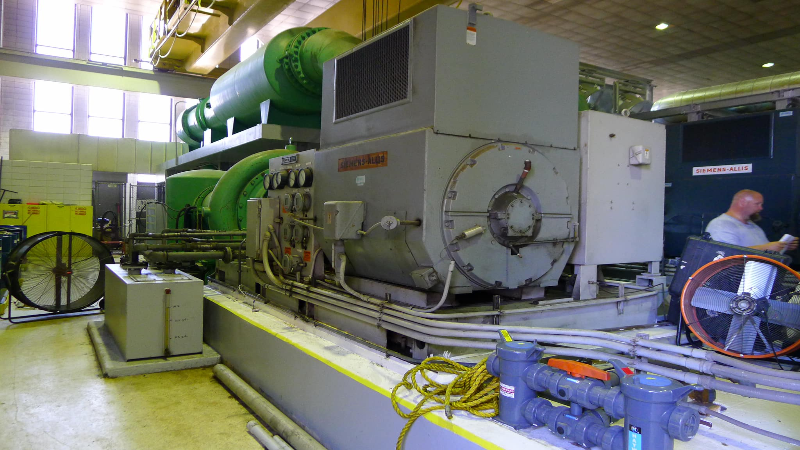
In an era where operational efficiency and sustainable water management are crucial for industries, the role of advanced pumping systems cannot be overstated. Facilities across sectors such as manufacturing, chemical processing, and municipal services are increasingly turning to specialized solutions to meet their demanding fluid management needs. For those seeking reliable and high-performing equipment, searching for High Pressure Pumps New Jersey often leads to options that can significantly elevate both productivity and resource conservation.
The Role of High Pressure Pumps in Industrial Efficiency
Industrial environments require robust equipment capable of handling large volumes of liquids under varying conditions. High pressure pumps are engineered to deliver fluids at elevated pressures, making them indispensable in processes such as:
- Boiler feed and steam generation: Consistent high-pressure flow is necessary for safe and efficient boiler operation.
- Cleaning and sanitation: Intense water jets produced by high pressure pumps ensure thorough cleaning of equipment, reducing downtime and improving hygiene.
- Hydrostatic testing: These pumps are essential for testing the structural integrity of pipes, tanks, and pressure vessels.
By maintaining optimal pressure and flow rates, these pumps help minimize energy consumption and reduce the likelihood of process interruptions. The result is smoother operation, less maintenance, and increased output—key factors in maintaining a competitive edge in today’s industrial landscape.
Water Management: Efficiency and Sustainability
Efficient water management is a top priority for industries in New Jersey, where environmental regulations and cost concerns are ever-present. High pressure pumps are vital for:
- Water recycling and reuse: These systems enable the movement of treated water for secondary uses, reducing overall consumption and supporting sustainability initiatives.
- Irrigation and landscape management: Facilities with extensive grounds benefit from pumps that can deliver water efficiently across large areas, ensuring healthy landscapes while conserving resources.
- Stormwater and wastewater management: High-pressure solutions help move and treat large volumes of water quickly, preventing flooding and ensuring compliance with discharge standards.
Adopting advanced pumping technology contributes to responsible water stewardship, helping organizations meet both operational and environmental goals.
Advantages of High Pressure Pumps for New Jersey Industries
Investing in high pressure pumps brings a range of benefits tailored to the needs of local industries:
- Adaptability: Modern pumps are designed to handle diverse fluids and adapt to changing process requirements.
- Durability: Built with corrosion-resistant materials, these pumps withstand harsh chemicals and challenging conditions commonly found in industrial settings.
- Energy Efficiency: Advanced models incorporate features that reduce energy use, directly impacting operational costs.
- Precision Control: Automated controls and variable speed drives allow for fine-tuning performance, further optimizing resource use and process outcomes.
By leveraging these advantages, facilities can achieve higher productivity and lower their environmental footprint.
Enhancing Operations with the Right Equipment
Selecting the right high pressure pump is critical for maximizing efficiency and ensuring reliable water management. Factors such as flow rate, pressure requirements, fluid characteristics, and system integration must all be considered. Consulting with industry experts can help identify solutions that align with specific operational needs and regulatory requirements.
In summary, the integration of high pressure pumps into industrial and municipal operations in New Jersey offers a pathway to enhanced efficiency, sustainability, and cost savings. By prioritizing advanced technology and tailored solutions, organizations can meet today’s challenges while preparing for future demands in water management and industrial productivity.