
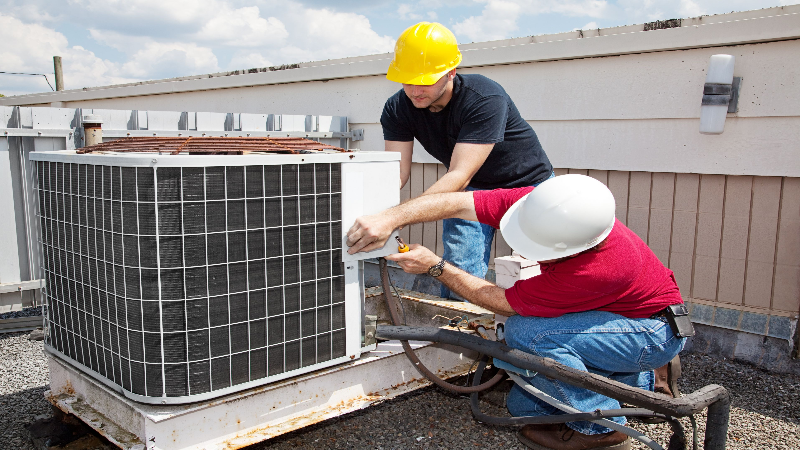
Installing a new HVAC system is a significant investment that directly impacts your home’s comfort and energy efficiency. For homeowners in the Omaha area, understanding what goes into a seamless installation can help ensure a hassle-free process and long-term satisfaction. Many people search online for guidance using terms like residential HVAC installation Omaha, NE, seeking expert tips to make informed decisions about their home’s heating and cooling needs.
Preparing for Your HVAC Installation
Preparation is the foundation of a successful HVAC installation. Before the installation day, homeowners should consider the following steps:
• Evaluate Your Needs: Assess the size of your home, the number of rooms, and your heating and cooling requirements. An oversized or undersized system can lead to inefficiency and higher utility bills.
• Schedule a Professional Assessment: A reputable technician will conduct a thorough inspection of your existing system, ductwork, and insulation. This assessment helps determine the best HVAC unit for your home’s unique needs.
• Select the Right System: Choose an HVAC system that matches your energy efficiency goals, budget, and home layout. Modern systems offer improved performance and lower operating costs compared to older models.
The Installation Process: What to Expect
Understanding the installation process helps reduce stress and ensures you know what to expect on installation day:
1. Removal of Old Equipment: The first step involves safely disconnecting and removing your old HVAC unit. Proper disposal is essential for environmental safety and compliance with local regulations.
2. Ductwork Inspection and Preparation: Technicians will inspect existing ductwork for leaks, damage, or blockages. Any necessary repairs or cleaning are completed before installing the new system.
3. Installing the New Unit: The new HVAC system is carefully positioned, connected to the ductwork, and integrated with your home’s thermostat and electrical system. Attention to detail during this step ensures optimal performance.
4. Testing and Calibration: After installation, the system is tested for proper operation. Technicians check airflow, thermostat responsiveness, and overall system efficiency. Calibration ensures your HVAC operates at peak performance.
5. Final Walkthrough and Education: Once the installation is complete, the technician will review the system’s features and maintenance requirements with you. This step is crucial for maximizing the lifespan and efficiency of your investment.
Post-Installation Tips for Omaha Homeowners
After your new system is installed, ongoing care is key to maintaining comfort and efficiency:
• Schedule Regular Maintenance: Annual inspections and tune-ups help prevent unexpected breakdowns and extend the life of your system.
• Replace Air Filters: Change filters every 1-3 months to improve air quality and system performance.
• Monitor Energy Usage: Keep an eye on your utility bills. A sudden increase may indicate a problem that needs professional attention.
A smooth residential HVAC installation in Omaha, NE, requires careful planning, professional expertise, and ongoing maintenance. By preparing in advance, understanding the installation process, and following post-installation best practices, homeowners can enjoy reliable comfort all year round. For those considering a new system, researching “residential HVAC installation Omaha, NE,” can connect you with trusted professionals and valuable resources to guide your decision.
Ready to enhance your home’s comfort and efficiency? Schedule a consultation with a qualified HVAC expert and take the first step toward a worry-free installation today.