
Simply put:
• Custom orthotics are prescription shoe inserts molded to your specific foot structure, offering more targeted relief than anything sold over the counter.
• If you are dealing with heel pain, flat feet, bunions, or recurring ankle issues in Fulshear, a podiatrist evaluation is the right first step.
Custom orthotics are one of the most effective conservative treatments for a wide range of foot and ankle problems. If you have been searching for orthotics in Fulshear TX, understanding what separates a prescription device from a drugstore insert will help you make a better decision before your appointment.
What Custom Orthotics Actually Do
Custom orthotics are specially made devices designed to support and comfort your feet. Prescription orthotics are crafted for you and no one else, matching the contours of your feet precisely and designed for the way you move.
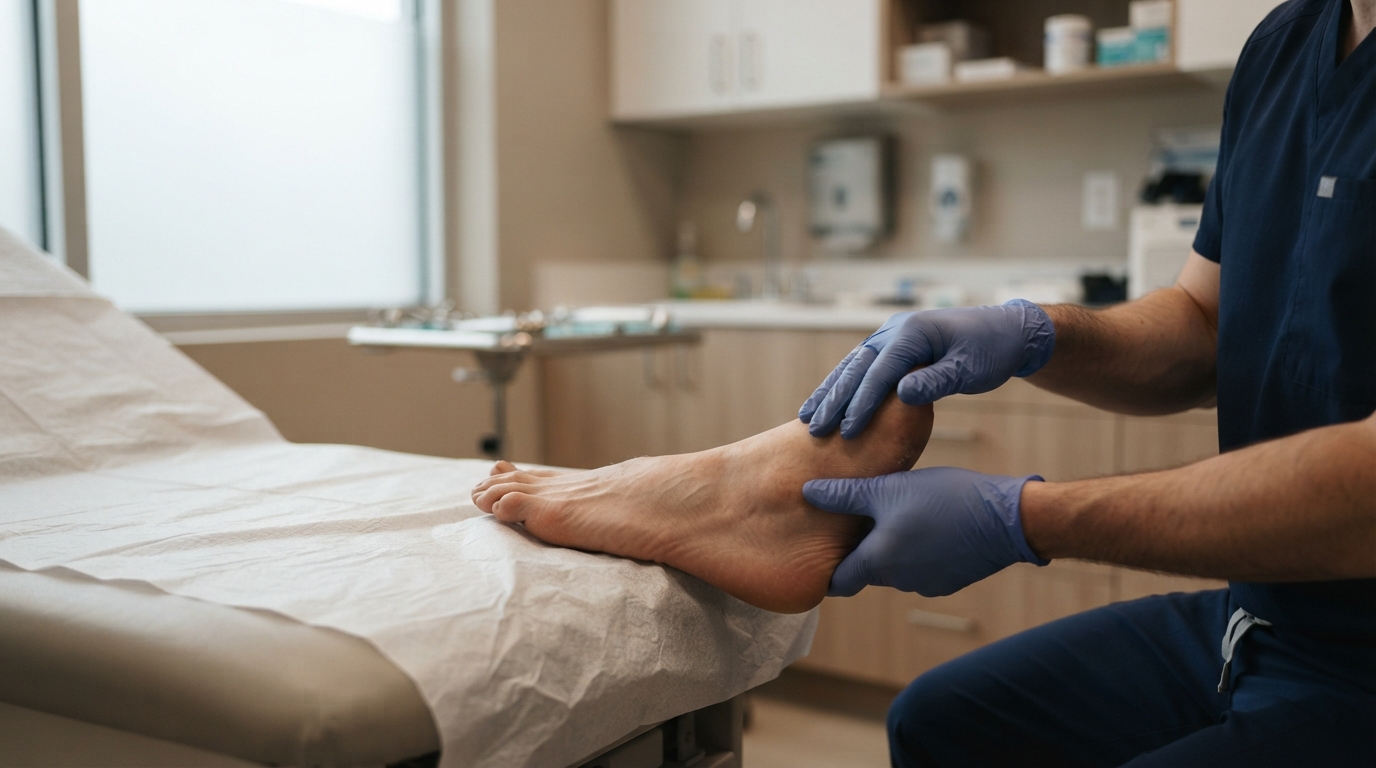
Orthotics are only manufactured after a podiatrist has conducted a complete evaluation of your feet, ankles, and legs, so the device can accommodate your unique foot structure and pathology. That process is what sets them apart from generic insoles.
Prescription orthotics fall into two categories: functional orthotics, designed to control abnormal motion and treat conditions such as shin splints or tendinitis, typically crafted from semi-rigid materials like plastic or graphite; and accommodative orthotics, which are softer and meant to provide additional cushioning and support.
Conditions That Commonly Benefit from Orthotics
Podiatrists use orthotics to treat foot problems such as plantar fasciitis, bursitis, tendinitis, diabetic foot ulcers, and foot, ankle, and heel pain. Clinical research studies have shown that podiatrist-prescribed foot orthotics decrease foot pain and improve function.
According to the American Podiatric Medical Association, the evaluation and fitting process ensures the device addresses your specific biomechanics rather than providing a one-size-fits-all solution.
Here are the most common conditions treated with custom orthotics:
• Plantar fasciitis and chronic heel pain
• Flat feet and fallen arches
• High arches (cavus foot)
• Bunions and hammertoes
• Neuromas
• Diabetic foot complications
• Sports-related ankle instability
The practice also lists custom molded orthotics and braces among its in-office services, alongside diagnostic ultrasound and digital radiography.
Custom Orthotics vs. Over-the-Counter Insoles
Not all foot inserts are equal. Here is a quick comparison to help you decide which option fits your situation:
|
Feature |
OTC Insoles |
Custom Orthotics |
|
Fit |
Generic sizing |
Molded to your foot |
|
Purpose |
Basic cushioning |
Corrects biomechanics |
|
Lifespan |
Months |
Several years with care |
|
Conditions addressed |
Mild discomfort |
Structural and clinical issues |
Shoe inserts are over-the-counter foot supports that can provide comfort, cushioning, and basic arch support, including arch supports, insoles, heel liners, and foot cushions. These can relieve mild pain but cannot correct structural or biomechanical issues the way custom orthotics can.
Orthotics typically cost more than shoe inserts purchased in a retail store, but the additional cost is usually well worth it. Unlike shoe inserts, orthotics are molded to fit each individual foot. Prescription orthotics are also made of top-notch materials and last many years when cared for properly.
What to Expect at a Fulshear Orthotics Appointment
The information gathered during the exam will help your podiatrist determine if shoe inserts might be helpful or if you need prescription orthotics. If orthotics are needed, your podiatrist will capture a three-dimensional image of each foot. Those images, along with any measurements obtained, are used to create a set of unique foot supports that will improve your foot movement and lead to more comfort and mobility.
Custom orthotics are designed specifically for your unique foot structure and biomechanics. At Fulshear Foot and Ankle, prescription custom orthotics are used to actively reduce pressure, improve stability, and correct overall alignment.
The practice serves patients throughout Fulshear, Katy, Richmond, and surrounding areas.
Frequently Asked Questions
How long does it take to get custom orthotics? The process typically involves an initial evaluation, a foot scan or mold, and a fabrication period before your devices are ready. Your podiatrist will give you a specific timeline at your appointment.
Can orthotics help with knee or back pain? The benefits extend beyond foot comfort, as reducing strain on joints may also help with back pain or hip discomfort stemming from misalignment issues often worsened by improper footwear or lack of adequate support.
Are custom orthotics covered by insurance? Coverage varies by plan. Many health insurance policies cover prescription orthotics when they are deemed medically necessary. Contact your insurer and the clinic directly to confirm your benefits before scheduling.
How do I know if I need orthotics or something else? During an orthotic evaluation, your podiatrist may examine your foot structure, gait, pain points, arch type, and how pressure moves through your feet to determine the most appropriate treatment path.
If persistent foot pain is affecting your daily routine, a podiatrist evaluation is the clearest way to find out whether custom orthotics are the right solution. Fulshear Foot and Ankle PLLC is located at 7609 Tiki Drive, Suite D, Fulshear, TX 77441, and sees patients Monday through Friday. Call 281-391-1212 to schedule an evaluation and take the first practical step toward lasting foot comfort.