
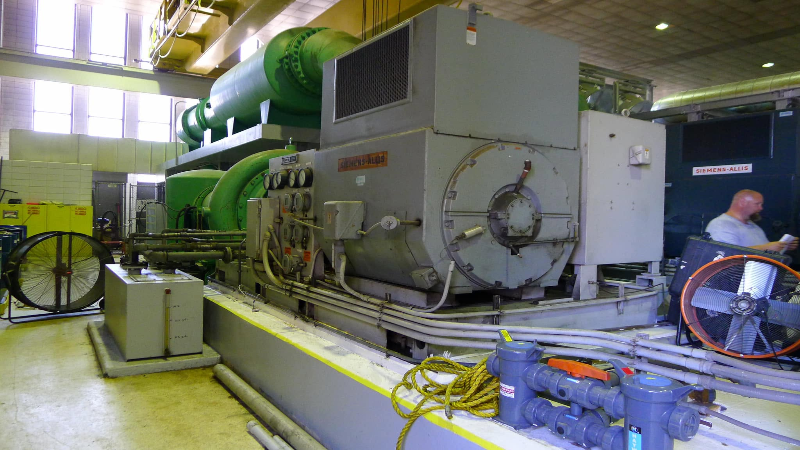
Efficient water management is a top priority for municipalities statewide, especially as demand on public infrastructure continues to grow. With aging systems and increasing populations, local governments must find reliable solutions to ensure safe water distribution and effective wastewater removal. For those seeking proven options to improve their city’s water infrastructure, searching for Pump Stations New York is a common first step in identifying trusted providers and advanced technologies that meet regional needs.
The Role of Pump Stations in Municipal Water Management
Modern pump stations are essential components in both water supply and wastewater systems. They provide the pressure needed to move water from treatment facilities to homes, businesses, and public spaces, as well as transport wastewater to treatment plants. In a city or town, pump stations help overcome elevation changes, maintain water quality, and ensure consistent service during peak usage times or emergencies.
Some key functions of municipal pump stations include:
- Boosting water pressure: Ensuring adequate flow throughout distribution networks, especially in high-rise buildings or hilly terrain.
- Managing stormwater: Preventing flooding by moving excess rainwater or runoff to appropriate drainage systems.
- Supporting wastewater treatment: Transporting sewage from residential and commercial areas to centralized treatment facilities.
Benefits of Advanced Pump Station Solutions
Investing in modern pump station technology offers municipalities several advantages that directly impact public health, safety, and operational efficiency.
Improved Reliability and Reduced Downtime
Up-to-date pump stations are designed with robust materials and advanced monitoring systems, minimizing the risk of unexpected breakdowns. Sensors and automation allow for real-time performance tracking, enabling maintenance teams to address issues before they escalate. This proactive approach reduces costly service interruptions and ensures continuous water delivery and wastewater removal.
Enhanced Energy Efficiency
Energy costs can represent a significant portion of a municipality’s water management budget. Advanced pump stations utilize variable frequency drives (VFDs) and energy-efficient motors to optimize energy consumption based on real-time demand. This not only lowers operational expenses but also supports sustainability goals by reducing the system’s carbon footprint.
Scalable and Customizable Design
Every municipality has unique needs based on population size, geography, and existing infrastructure. Modern pump station solutions can be tailored to fit specific requirements. Modular designs allow for easy expansion as communities grow, ensuring that water and wastewater systems remain effective for years to come.
Key Considerations for Municipalities
When evaluating pump station options, municipal leaders should consider:
- System compatibility: Ensuring new installations integrate seamlessly with existing infrastructure.
- Remote monitoring: Leveraging digital tools for 24/7 oversight and rapid response to system changes.
- Regulatory compliance: Meeting all state and federal water quality and safety standards.
Proper planning and ongoing maintenance are also crucial for maximizing the lifespan and performance of pump stations.
Achieving Water Management Excellence
Municipalities across the state are investing in advanced pump station technologies to deliver reliable water services and protect public health. By focusing on robust design, energy efficiency, and smart monitoring, cities and towns can meet current needs and prepare for future challenges. Exploring trusted solutions through targeted searches such as “Pump Stations New York” empowers local leaders to make informed decisions that enhance water management efficiency for their communities. For those committed to strengthening infrastructure and ensuring sustainable growth, modern pump stations are a vital piece of the puzzle.