
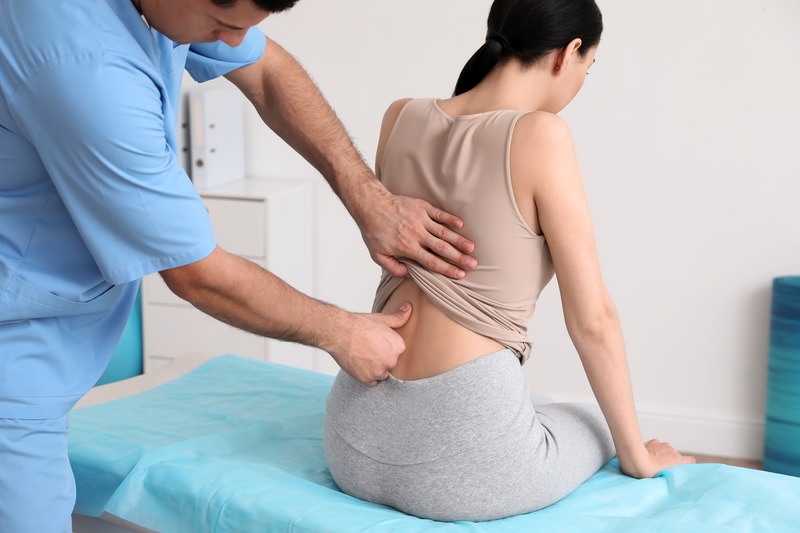
Living with chronic back pain can be physically and emotionally draining, impacting your daily activities and overall quality of life. For those who have tried conservative therapies without lasting relief, seeking advanced medical solutions often becomes a priority. Many people searching for long-term relief are turning to Spinal Fusion Treatment in Springfield, OR, as a targeted approach to address persistent back pain and restore mobility.
Understanding Spinal Fusion: A Modern Solution for Back Pain
Spinal fusion is a surgical procedure that permanently joins two or more vertebrae in your spine, eliminating motion between them. By stabilizing the affected area, this treatment can reduce pain caused by conditions such as degenerative disc disease, spinal stenosis, scoliosis, or spondylolisthesis. The procedure aims to replicate the body’s natural bone-healing process, using bone grafts and specialized hardware to promote bone growth between the fused vertebrae.
Why Consider Spinal Fusion?
Not all cases of back pain require surgery, but spinal fusion may be recommended if:
-
Non-surgical treatments (physical therapy, medications, injections) have not provided sufficient relief.
-
Spinal instability, deformity, or nerve compression is present.
-
The pain significantly interferes with daily activities or quality of life.
By stabilizing the spine, the procedure can help reduce pain, prevent further nerve damage, and correct spinal deformities.
The Spinal Fusion Process: What Patients Can Expect
Understanding the spinal fusion process can help patients feel more confident and prepared. Here’s an overview of what typically happens:
- Preoperative Evaluation: Patients undergo detailed imaging studies, such as X-rays or MRI scans, to identify the exact source of pain and determine the best surgical approach.
- Surgical Procedure: During spinal fusion, the surgeon removes the damaged disc or bone, places a bone graft between the vertebrae, and may use metal plates, screws, or rods for added support. The surgery may use minimally invasive techniques, reducing recovery time and the risk of complications.
- Recovery and Rehabilitation: Post-surgery, patients can expect a period of rest followed by a personalized rehabilitation plan. Physical therapy plays a crucial role in regaining strength and flexibility, with most individuals gradually returning to their normal routines over several weeks or months.
Benefits of Spinal Fusion for Persistent Back Pain
Many individuals notice significant improvements in pain and mobility after undergoing spinal fusion. Key benefits include:
-
Long-lasting Pain Relief: Fusion eliminates the painful motion between vertebrae, providing sustained relief.
-
Improved Stability: By securing unstable segments of the spine, the procedure helps prevent future injuries.
-
Enhanced Quality of Life: Reduced pain and increased mobility allow for greater participation in work, hobbies, and family life.
-
Correction of Spinal Deformities: The surgery can straighten and stabilize abnormal curvatures, improving posture and comfort.
Risks and Considerations
As with any surgery, spinal fusion carries potential risks, including infection, blood clots, nerve injury, or failure of the fusion to heal properly. Discuss these risks with your surgeon and ensure all non-surgical options have been explored first. A thorough preoperative assessment helps minimize complications and determine if you are a suitable candidate for the procedure.
Frequently Asked Questions about Spinal Fusion
How do I know if I need spinal fusion?
Surgery is typically recommended only after conservative treatments fail and when imaging confirms a structural problem that can be corrected by fusion.
Will my mobility be affected?
Some loss of flexibility in the fused segment is expected, but most patients don’t notice significant limitations in daily activities.
How long does recovery take?
Recovery varies by individual and the extent of the surgery. Most people can resume light activities within a few weeks, but full recovery may take several months.
What are the alternatives to spinal fusion?
Alternatives include continued physical therapy, medications, spinal injections, or other surgical procedures. Your healthcare provider will help you weigh the pros and cons of each option.
Is Spinal Fusion Right for You?
Choosing to undergo spinal fusion is a significant decision that requires careful evaluation. If you’re experiencing persistent back pain that hasn’t responded to other treatments, a consultation with a spine specialist can help determine whether this procedure is suitable. Comprehensive preoperative assessments, advanced surgical techniques, and dedicated post-operative care all contribute to the high success rates associated with spinal fusion in modern medical practice.
For residents of Springfield, OR, seeking long-term relief from chronic back pain, Oregon Neurosurgery stands out as a reliable partner, offering expert evaluation and advanced spinal fusion procedures tailored to individual needs.