
Maintaining a healthy work environment is a top priority for business owners across Louisiana. One of the most significant threats to indoor air quality is asbestos, a hazardous material once commonly used in building construction. When disturbed, asbestos fibers can become airborne, posing serious health risks to employees and visitors. For businesses that have undergone asbestos abatement or suspect asbestos presence, finding the right testing services becomes crucial. Many business owners turn to Asbestos Air Clearance Testing in Louisiana to ensure their premises remain safe and compliant.
Understanding Asbestos and Its Risks
Asbestos is a naturally occurring mineral known for its heat resistance and durability. Unfortunately, these same properties make asbestos fibers hazardous when inhaled. Prolonged exposure can lead to severe respiratory issues, including asbestosis, lung cancer, and mesothelioma. In Louisiana, where many commercial buildings predate modern asbestos regulations, the risk of exposure is particularly high during renovations, demolitions, or after natural disasters.
What is Asbestos Air Clearance Testing?
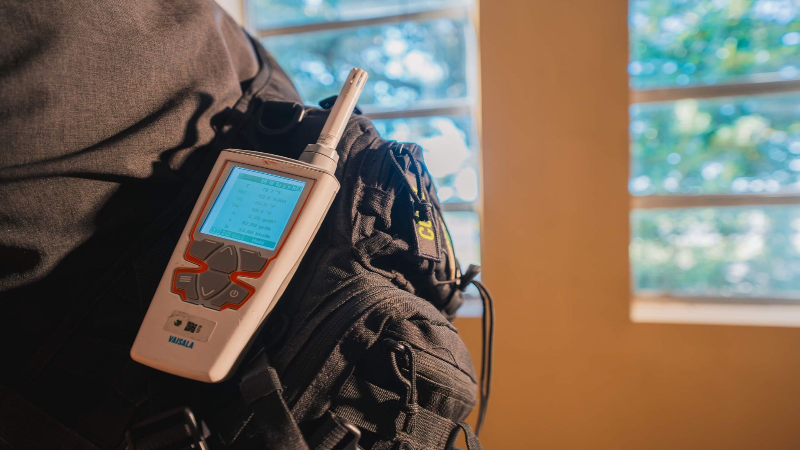
After asbestos removal or abatement, it’s essential to confirm that the air is free from dangerous fibers before reoccupying the space. Asbestos air clearance testing involves sampling the air in and around the affected area to detect any remaining airborne asbestos particles. Certified professionals use specialized equipment to collect air samples, which are then analyzed in accredited laboratories.
This process not only verifies the effectiveness of abatement but also ensures compliance with state and federal regulations. Clearance testing provides peace of mind, demonstrating that your business prioritizes both safety and legal responsibility.
Why Is Air Clearance Testing Essential for Businesses?
There are several compelling reasons to invest in air clearance testing after asbestos abatement:
• Employee Health and Safety: The well-being of your staff is paramount. Ensuring that the air is free from asbestos fibers reduces the risk of occupational illnesses.
• Regulatory Compliance: Both Louisiana state law and federal guidelines require air clearance testing following asbestos removal in commercial properties. Failure to comply can result in costly fines and legal liabilities.
• Reputation Management: Demonstrating a commitment to health and safety helps build trust with clients, partners, and employees.
• Operational Continuity: Prompt clearance testing enables your business to resume normal operations quickly and with confidence.
The Testing Process: What to Expect
Understanding the steps involved in asbestos air clearance testing can help business owners prepare:
1. Pre-Test Inspection: A certified inspector assesses the abatement area to ensure all debris is removed and surfaces are properly cleaned.
2. Air Sampling: Using pumps and filters, professionals collect air samples from various locations within and around the work area.
3. Laboratory Analysis: Samples are sent to a laboratory for microscopic examination to determine if asbestos fibers are present.
4. Clearance Certification: If the air meets established safety standards, a clearance certificate is issued, allowing safe re-entry.
Maintaining Clean Air Beyond Testing
While clearance testing is a critical step, maintaining clean air in your business requires ongoing diligence. Regular HVAC maintenance, prompt attention to damaged materials, and periodic indoor air quality assessments can further protect your workplace from airborne hazards.
Ensuring a safe and healthy workspace is not just a legal obligation—it’s a moral imperative for business owners. As discussed, asbestos poses significant risks, especially in older buildings. Through professional asbestos air clearance testing, Louisiana businesses can safeguard their employees, maintain regulatory compliance, and foster a trustworthy environment. Taking proactive steps today will help secure a cleaner, safer tomorrow for everyone who enters your business.