
Bottom line:
-
Transmission problems rarely appear without warning — catching early symptoms like slipping gears or fluid leaks can prevent a costly rebuild.
-
Richland drivers have access to local full-service auto repair that includes transmission diagnostics and repair.
Most transmission failures do not happen overnight. Most transmission problems start small before turning into major repairs, and many drivers wait too long to get their vehicle inspected — a delay that turns a manageable repair into a rebuild or replacement costing thousands.
If you are searching for Transmission Repair in Richland, WA, understanding what the warning signs look like — and what causes them — puts you in a much stronger position before you ever walk into a shop. Motoring Services handles all makes and models, from oil changes to belts and hoses, to engine and transmission replacements.
Warning Signs Your Transmission Needs Attention
Not every transmission issue leads to a breakdown, but recognizing the warning signs early can prevent a minor problem from turning into a major repair. Here are the most common symptoms Richland drivers should watch for:
-
Slipping gears. If your car suddenly changes gears without warning or loses power while accelerating, this is called slipping — a strong indication that your transmission is struggling to maintain proper engagement, often caused by low fluid, worn clutches, or damaged gears.
-
Rough or delayed shifting. If your car hesitates when shifting between gears or shifts with a jolt, the transmission is not functioning as it should — often related to low fluid levels, worn-out components, or problems with the transmission control module.
-
Fluid leaks. Transmission fluid is essential for lubrication and cooling, and reddish fluid pooling under your car is a clear sign of a leak.
-
Unusual noises. Grinding, whining, or clunking noises can indicate that your transmission is not properly lubricated — when fluid is leaking, internal components may rub together, creating friction and heat that causes accelerated wear and costly damage.
-
Burning smell. Transmission fluid cools and lubricates internal components, and dirty or low fluid increases heat and friction inside the transmission — heat destroys transmissions faster than anything else.
Common Causes and How They Compare
Automatic and CVT transmissions tend to experience more electronic and fluid-related issues, while manual transmissions more commonly suffer from clutch and gear wear. The table below summarizes the most frequent root causes by transmission type:
|
Problem |
Automatic / CVT |
Manual |
|
Fluid degradation |
Very common |
Less common |
|
Gear slipping |
Electronic or fluid-related |
Clutch or linkage wear |
|
Rough shifting |
Valve body or solenoid |
Worn synchros or bushings |
|
Unusual noises |
Torque converter or pump |
Bearing or gear wear |
On many vehicles, the real cause is not the gearbox itself — low or incorrect transmission fluid, worn shifter bushings, clutch hydraulic problems, or a failing clutch can all mimic a bad transmission, which is why diagnosis matters before spending money on parts.
According to the National Highway Traffic Safety Administration’s vehicle safety resources, drivetrain issues — including transmission faults — are among the most frequently reported mechanical concerns in owner complaints, reinforcing why prompt diagnosis is critical.
What Happens During a Transmission Diagnostic
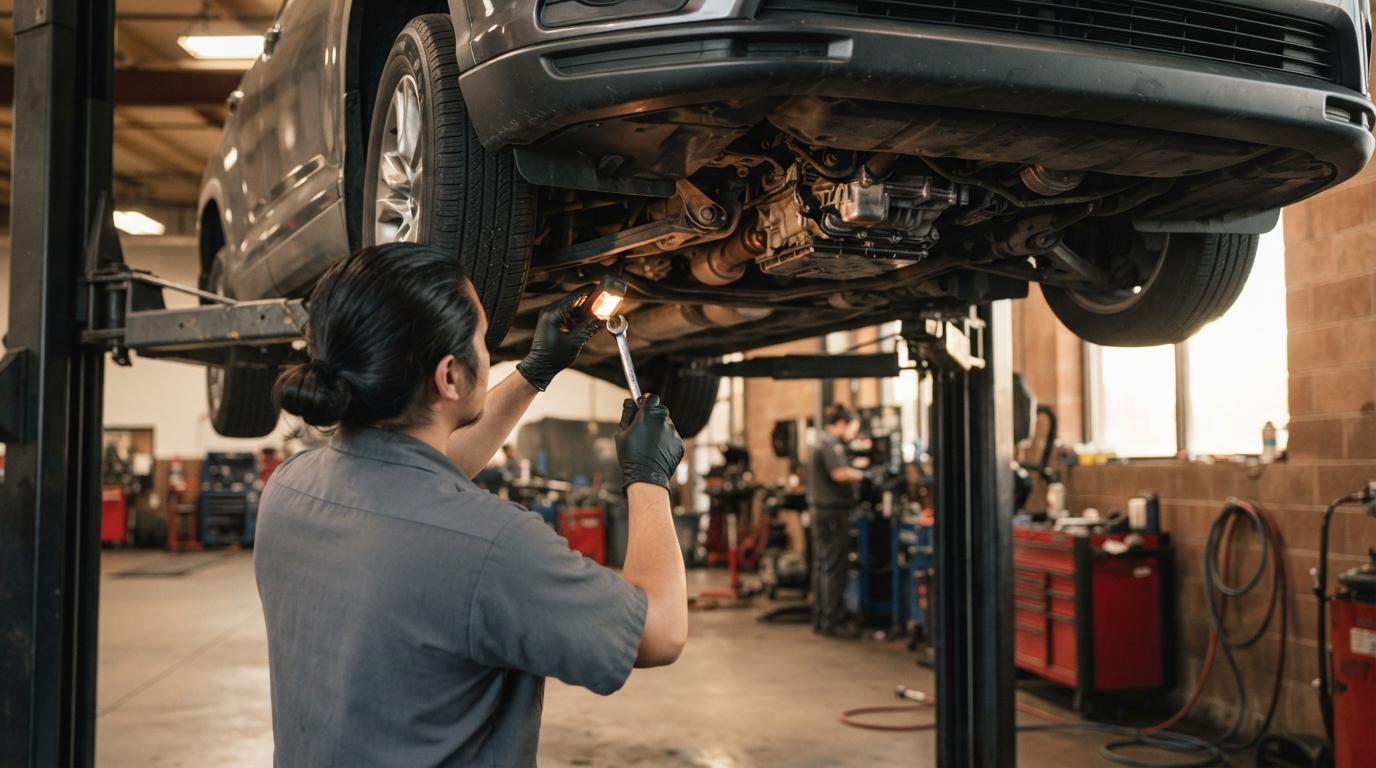
Transmission diagnostics can take anywhere from one hour to a full day, depending on the symptoms, required tests, and whether electronic diagnostics or inspections are needed. A thorough diagnostic typically follows these steps:
- Scan for trouble codes. A technician connects a scan tool to read any stored fault codes from the transmission control module.
- Check fluid condition and level. Fluid color, smell, and level reveal a great deal about internal wear and contamination.
- Road test. The technician drives the vehicle to reproduce the symptom under real operating conditions.
- Inspect for leaks and external damage. Seals, gaskets, and the pan are checked visually.
- Internal inspection if needed. If external checks are inconclusive, a deeper teardown may be required to assess clutch packs, bands, or bearings.
Transmission repairs often follow the “pay a little now or a lot later” principle — addressing minor issues promptly prevents major failures down the road.
Frequently Asked Questions
How do I know if my transmission is slipping? One of the most common and dangerous signs of a bad transmission is gear slipping, which happens when the vehicle unexpectedly changes gears or struggles to stay in gear. You may also notice the engine revving without a corresponding increase in speed.
Can low transmission fluid cause serious damage? Transmission fluid is responsible for both lubrication and hydraulic pressure, so low levels can disrupt normal operation quickly. Continuing to drive with low fluid accelerates internal wear significantly.
Is a transmission problem always expensive to fix? Your transmission is one of the most expensive components of your vehicle, and repairs can range from simple adjustments to full rebuilds costing thousands. Catching the problem early is the single most effective way to keep costs manageable.
How often should transmission fluid be changed? Fluid change intervals vary by vehicle make, model, and driving conditions. Check your owner’s manual for the manufacturer’s recommendation, and have the fluid inspected at every major service interval.
Get Your Transmission Checked in Richland
If you notice any of the symptoms described above, do not put off a diagnostic. Small issues like a minor fluid leak or a single slipping event can escalate quickly into a full transmission failure. Motoring Services Auto Repair serves drivers in Richland and the surrounding Tri-Cities area with general automotive repair, including transmission service. Scheduling an inspection as soon as symptoms appear is the most practical step you can take to protect your vehicle and your budget.