
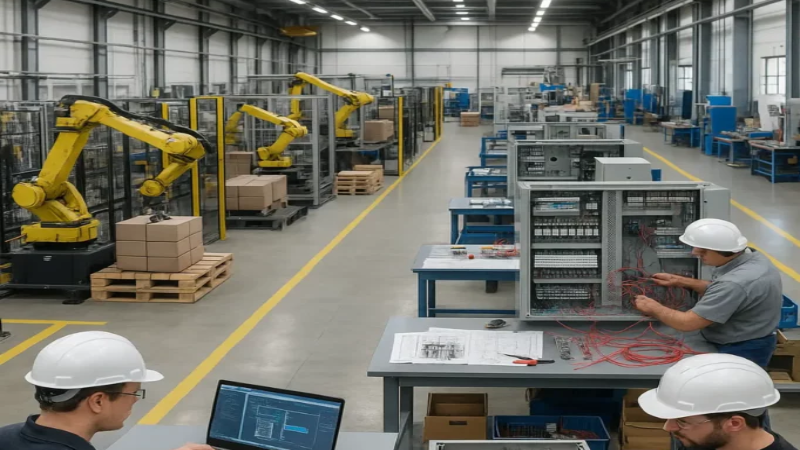
In the rapidly evolving world of industrial automation, manufacturers are constantly seeking ways to streamline operations, reduce downtime, and boost productivity. Achieving these goals hinges on the design and implementation of reliable control systems. For those searching for ways to optimize their processes, Control Panel Engineering best practices provide a comprehensive approach to maximizing efficiency, safety, and scalability in manufacturing environments.
The Importance of Control Panel Design in Automation
A well-designed control panel acts as the central nervous system for automated manufacturing systems. It manages the flow of information and power to machinery, ensuring seamless operation and quick response to changes on the production floor. Poorly engineered panels can lead to costly errors, increased maintenance, and even safety hazards. By integrating best practices in design and assembly, manufacturers can mitigate these risks and achieve smoother, more reliable automation.
Best Practices for Control Panel Engineering
Adopting proven strategies in control panel engineering can bring significant benefits to manufacturing operations. Here are several key best practices:
1. Standardization and Modular Design
• Standardized components: Using uniform parts and layouts simplifies maintenance and reduces inventory costs.
• Modular construction: Designing panels in interchangeable modules allows for easier upgrades and troubleshooting, minimizing downtime.
2. Clear Documentation and Labeling
• Comprehensive schematics: Detailed diagrams and wiring layouts help technicians quickly diagnose issues.
• Consistent labeling: Properly labeled wires, terminals, and components reduce confusion and speed up repairs.
3. Efficient Layout and Wiring
• Optimized component placement: Strategic positioning of relays, breakers, and terminals improves airflow and accessibility.
• Neat cable management: Bundled and routed wiring not only looks professional but also enhances safety and simplifies future modifications.
4. Compliance with Safety Standards
• Adherence to regulations: Following industry standards for electrical safety and enclosure ratings protects both equipment and personnel.
• Protection from environmental hazards: Selecting enclosures rated for dust, moisture, or chemical exposure ensures long-term reliability.
5. Integration of Smart Technologies
• Remote monitoring: Incorporating sensors and connectivity allows for real-time data collection and preventive maintenance.
• Scalability: Designing panels with future expansions in mind makes it easier to adapt to changing production needs.
Enhancing Efficiency Through Proactive Engineering
Investing in robust control panel solutions pays dividends in productivity and operational resilience. By prioritizing proactive design and regular maintenance, manufacturers can avoid unplanned outages and support continuous improvement initiatives. Collaborating with experienced engineers during the planning phase ensures that control panels are tailored to specific process requirements, reducing the risk of costly retrofits or upgrades down the line.
Key Takeaways
Implementing best practices in control panel design and engineering is essential for unlocking greater efficiency in industrial automation. Standardization, clear documentation, thoughtful layout, strict safety compliance, and smart technology integration all contribute to more reliable and adaptable manufacturing systems. By focusing on these foundational elements, manufacturers can streamline operations, minimize downtime, and position themselves for long-term success in a competitive marketplace.